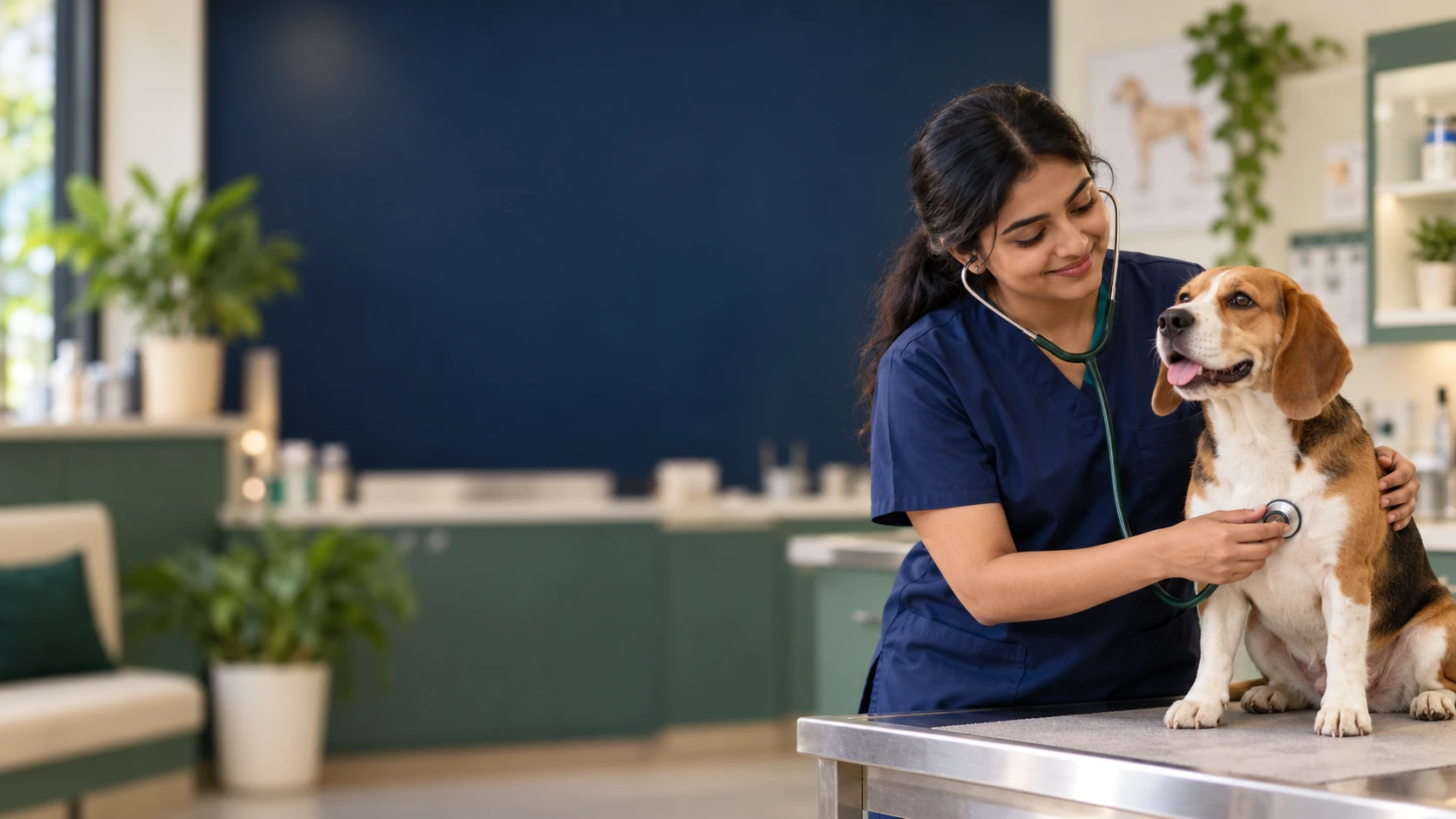
A pet’s mouth is easy to overlook when everything else seems normal. You may notice a change only when a favourite treat is dropped or a close cuddle comes with unpleasant breath. Those small observations are useful reasons to discuss oral health at a veterinary visit.
Notice changes in ordinary habits
Persistent bad breath, red gums, drooling, dropping food or chewing on one side can be signs of dental disease. Some pets continue eating despite discomfort, so appetite alone cannot rule out a problem. Mention what you have noticed rather than assuming the smell is simply normal for dogs or cats.
Ask for an oral-health assessment
A veterinarian can check what is visible and explain whether further examination or treatment is needed. A complete professional dental assessment and cleaning may require anaesthesia, including access below the gumline and dental imaging where indicated. A pet’s individual health and procedure plan should guide that discussion; cosmetic removal of visible tartar is not the same as treating disease.
Build home care around comfort
Daily tooth brushing can help reduce plaque when the mouth is healthy enough for it. Use pet-specific toothpaste and suitable tools. Ask for a demonstration and begin gently. Do not force brushing through pain, bleeding or inflamed gums; an examination should come first. Brushing does not remove established tartar or replace necessary professional treatment.
Make practice easy to repeat
Choose a quiet time when you are not rushing out of the door. Keep the approved brush and paste together. Write down the small step your pet tolerates comfortably, then ask the veterinary team how to progress. The aim is a repeatable routine, not winning a struggle with a reluctant pet.
Take useful notes before the visit
- When did the breath or eating change begin?
- Are particular foods being avoided or dropped?
- Have you seen drooling, blood, facial swelling or pawing at the mouth?
- Which dental products or chew items are currently used?
Choose products with advice
Ask which dental products are appropriate for your pet and whether a Veterinary Oral Health Council accepted product would help. Keep the packaging so the clinic can identify what you are using.
If you have noticed mouth discomfort or persistent bad breath, contact SRM Pet Clinic to arrange an examination. Contact the clinic or call +91 90360 07887.